

জিয়াংসু ডংওয়াং পরিবেশগত সুরক্ষা প্রযুক্তি গ্রুপ কোং, লিমিটেড জিয়াংসু ডংওয়াং পরিবেশগত সুরক্ষা প্রযুক্তি গ্রুপ কোং, লিমিটেড
    • বাড়ি
    • পণ্য
      • বায়ু পরিস্রাবণ ফিল্টার কাপড়
      • শিল্প ধুলা অপসারণ ফিল্টার ব্যাগ
      • শিল্প ধুলা অপসারণ ফিল্টার খাঁচা
    • আমাদের সম্পর্কে
      • কোম্পানির প্রোফাইল
      • আমাদের পদচিহ্ন
      • প্রদর্শনী গ্যালারী
      • কারখানা শো
      • সম্মান ও শংসাপত্র
      • FAQ
      • নিউজরুম
    • শিল্প
    • টেকসই
    • পরিষেবা
    • যোগাযোগ
জিয়াংসু ডংওয়াং পরিবেশগত সুরক্ষা প্রযুক্তি গ্রুপ কোং, লিমিটেড
জিয়াংসু ডংওয়াং পরিবেশগত সুরক্ষা প্রযুক্তি গ্রুপ কোং, লিমিটেড ইঞ্জি
  • русский
  • Français
  • 日本語
  • 한국어
  • Latine
  • Tiếng Việt
  • ไทย
  • বাংলা
  • Hrvatski
  • čeština
  • Nederlands
  • dansk
  • Pilipino
  • Deutsch
  • Suomalainen
  • Indonesia
  • Magyar
  • italiano
  • Gaeilge
  • Bahasa Melayu
  • norsk
  • Polskie
  • Português
  • فارسی
  • Română
  • Slovák
  • svenska
  • Türk
জিয়াংসু ডংওয়াং পরিবেশগত সুরক্ষা প্রযুক্তি গ্রুপ কোং, লিমিটেড

ওয়েব মেনু

  • বাড়ি
  • পণ্য
    • বায়ু পরিস্রাবণ ফিল্টার কাপড়
    • শিল্প ধুলা অপসারণ ফিল্টার ব্যাগ
    • শিল্প ধুলা অপসারণ ফিল্টার খাঁচা
  • আমাদের সম্পর্কে
    • কোম্পানির প্রোফাইল
    • আমাদের পদচিহ্ন
    • প্রদর্শনী গ্যালারী
    • কারখানা শো
    • সম্মান ও শংসাপত্র
    • FAQ
    • নিউজরুম
  • শিল্প
  • টেকসই
  • পরিষেবা
  • যোগাযোগ

পণ্য অনুসন্ধান

ভাষা

  • русский
  • Français
  • 日本語
  • 한국어
  • Latine
  • Tiếng Việt
  • ไทย
  • বাংলা
  • Hrvatski
  • čeština
  • Nederlands
  • dansk
  • Pilipino
  • Deutsch
  • Suomalainen
  • Indonesia
  • Magyar
  • italiano
  • Gaeilge
  • Bahasa Melayu
  • norsk
  • Polskie
  • Português
  • فارسی
  • Română
  • Slovák
  • svenska
  • Türk

ভাগ

প্রস্থান মেনু

বাড়ি / নিউজরুম / শিল্প সংবাদ / Which Air Filtration Filter Cloth Works Best for Your Industry?

খবর

পণ্য দেখুন পিডিএফ ডাউনলোড
শিল্প সংবাদ
Jun 17,2026

Which Air Filtration Filter Cloth Works Best for Your Industry?

Air filtration filter cloth is the core filtration medium in industrial dust collection systems. Choosing the right filter cloth directly determines filtration efficiency, equipment lifespan, and operating costs. For most industrial applications, needle punched filter felt delivers the optimal balance of filtration precision, mechanical strength, and thermal resistance — making it the preferred choice in cement, steel, power generation, and chemical processing environments.

What Is Air Filtration Filter Cloth and How Does It Work

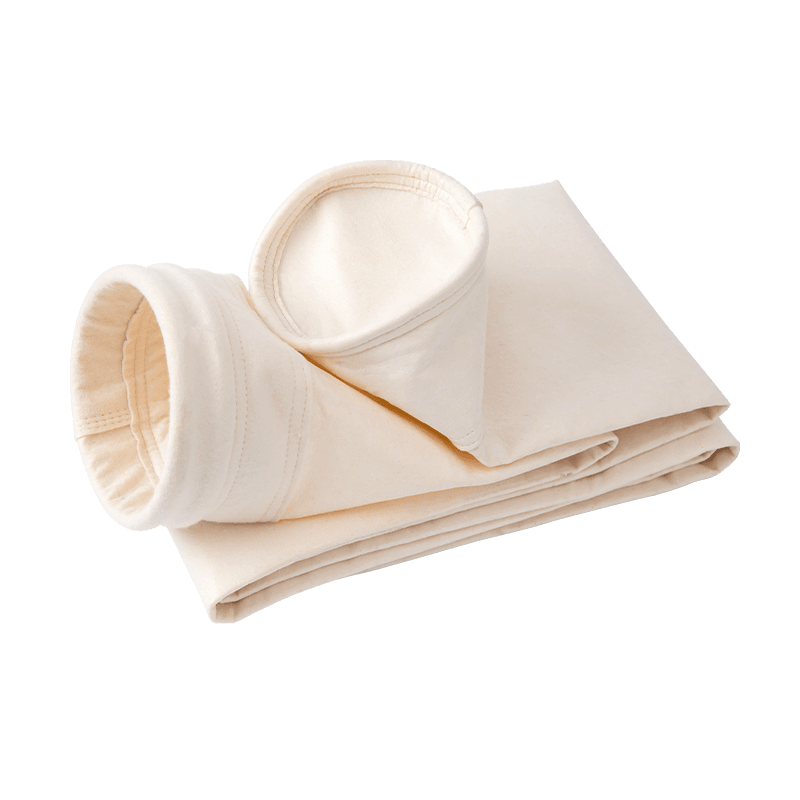
Air filtration filter cloth is a functional textile material engineered to capture airborne particulate matter — including dust, smoke, and fine particles — as gas streams pass through industrial filtration systems such as baghouse dust collectors. Unlike simple woven fabrics, modern filter cloth combines a layered fiber matrix to achieve both mechanical and surface filtration simultaneously.

The working principle relies on four mechanisms working together:

  • Inertial impaction — larger particles follow their momentum and collide with fibers rather than flowing around them.
  • Interception — particles following airflow streamlines contact fiber surfaces and are captured.
  • Diffusion — sub-micron particles move randomly (Brownian motion) and contact fibers at higher probability.
  • Electrostatic attraction — some filter cloths incorporate charge to enhance fine-particle capture.

The construction method — whether woven, knitted, or needle punched — determines which mechanisms dominate and thus defines suitability for specific industrial environments.

Needle Punched Filter Felt: The Primary Choice for Industrial Air Filtration

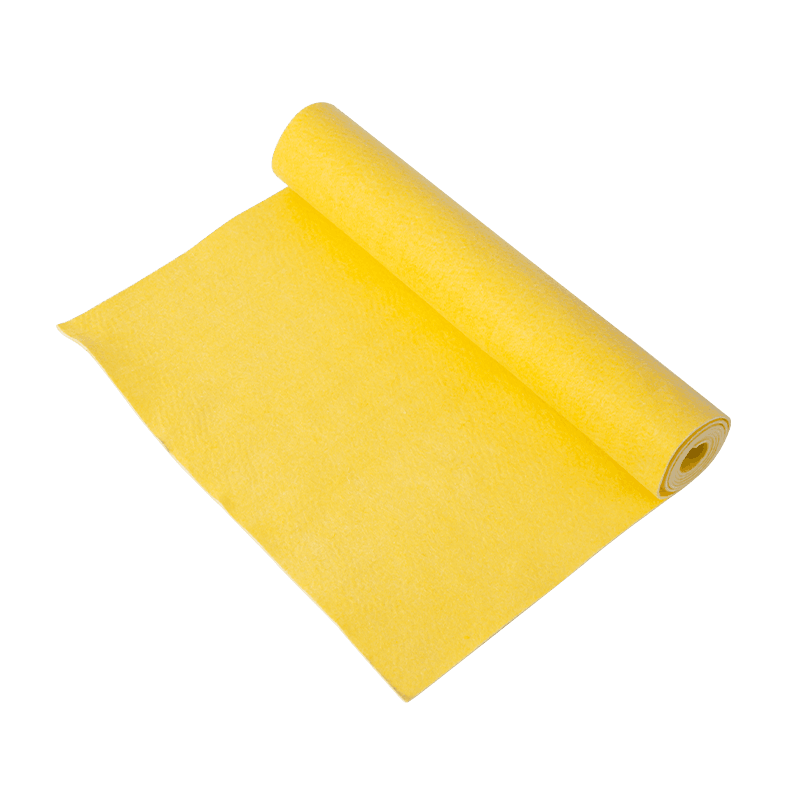
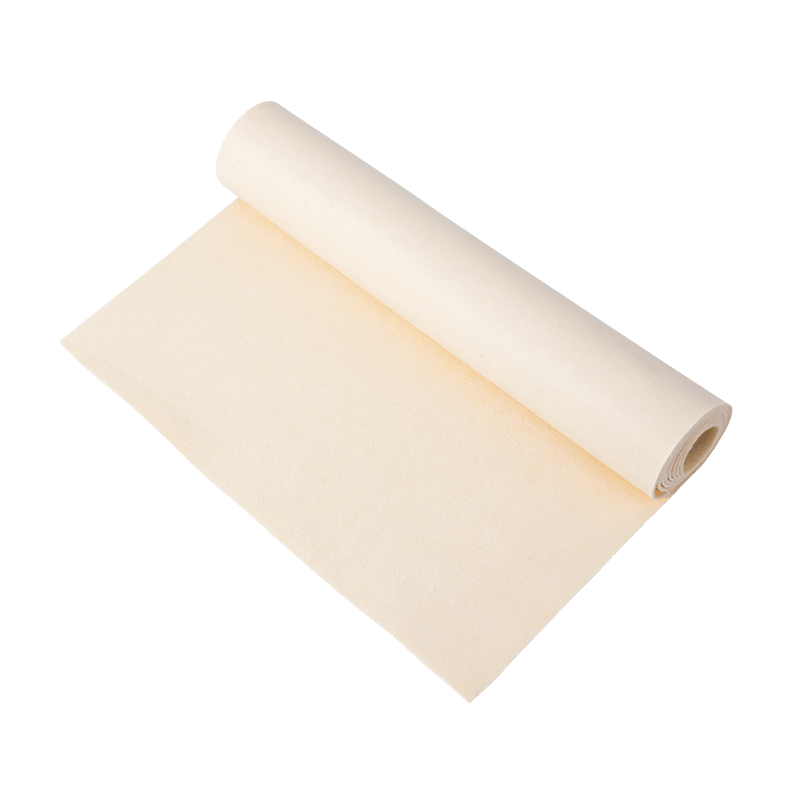
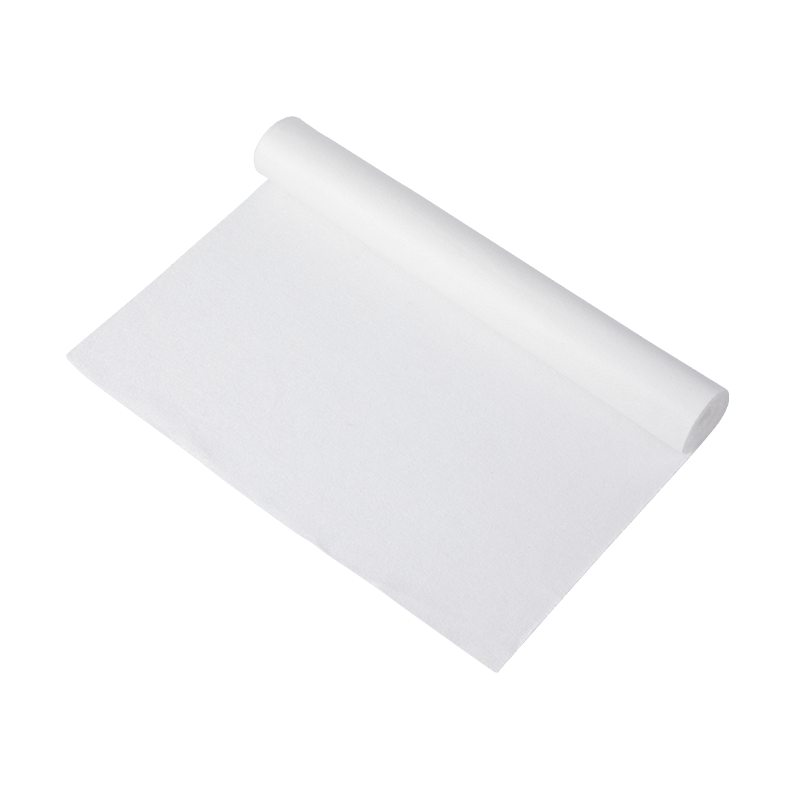
Among all types of air filtration filter cloth, needle punched filter felt stands out as the most widely adopted in heavy industrial settings. This non-woven material is produced by mechanically interlocking fiber layers using barbed needles at high density — creating a three-dimensional fiber matrix with a tortuous pore structure that captures particles throughout the full depth of the material, not just on the surface.

Key Structural Advantages of Needle Punched Filter Felt

  • Uniform fiber distribution ensures consistent filtration across the entire cloth area, minimizing bypass leakage.
  • The three-dimensional pore network provides lower pressure drop compared to tightly woven alternatives at equivalent filtration ratings.
  • Surface calendering or membrane lamination options allow filtration efficiency to be tuned from standard to sub-micron levels.
  • Excellent dust cake release during pulse-jet or shaker cleaning cycles extends service life and maintains stable airflow resistance.

These properties make needle punched filter felt particularly suited to continuous-duty baghouse systems where stable pressure differential and reliable cleaning behavior are critical to process uptime.

Fiber Material Options and Their Application Fit

The fiber raw material is the most important variable in selecting the right air filtration filter cloth. Each fiber type has a defined temperature ceiling, chemical resistance profile, and mechanical behavior. Matching fiber to application conditions is essential — using an under-specified material leads to accelerated degradation, while over-specifying increases cost without operational benefit.

Common fiber materials for needle punched filter felt and their key performance parameters
Fiber Material Continuous Temp. Limit Chemical Resistance Typical Applications
Polyester (PET) 130 °C Good vs. weak acids Cement, grain, woodworking
Polypropylene (PP) 90 °C Excellent vs. acids & alkalis Chemical processing, fertilizers
Acrylic (Homopolymer) 140 °C Good vs. SO₂, NOₓ Coal-fired power plants
Aramid (Nomex) 200 °C Moderate Asphalt mixing, hot gas filtration
PPS (Ryton) 190 °C Excellent vs. most chemicals Waste incineration, coal boilers
PTFE Fiber 260 °C Outstanding vs. all chemicals High-acid environments, pharmaceuticals

For the majority of general industrial dust collection scenarios operating below 130 °C, polyester needle punched filter felt offers the best cost-performance ratio. Applications involving acid gases or temperatures between 160–200 °C should specify PPS or aramid fiber to avoid premature fabric failure.

Surface Treatment Technologies That Enhance Air Filtration Performance

Base needle punched filter felt can be significantly upgraded through surface treatment processes. These finishing steps alter the filtration mechanism from depth filtration toward surface filtration, improving both efficiency and cleanability.

Singeing and Calendering

Singeing burns off fiber ends protruding from the cloth surface, creating a smoother face that releases the dust cake more easily during cleaning. Calendering applies heat and pressure to partially fuse surface fibers, reducing pore size and improving initial filtration efficiency without adding membrane material. These treatments are standard for cement and mineral dust applications.

PTFE Membrane Lamination

A microporous PTFE membrane laminated onto the upstream face of the filter cloth creates a surface filtration barrier with pore sizes typically in the 0.2–3 µm range. Key benefits include:

  • Filtration efficiency exceeding 99.99% for particles larger than 0.3 µm.
  • Dust cake forms on the membrane surface rather than penetrating fibers, allowing more complete pulse-jet cleaning.
  • Lower residual pressure drop after cleaning cycles, reducing energy consumption in the long term.
  • Suitable for fine and sticky dusts that would blind untreated filter felt.

Water and Oil Repellent Finishing

Fluorocarbon-based hydrophobic and oleophobic treatments prevent moisture and oily aerosols from wetting the fiber structure. This is critical in applications such as carbon black processing, metalworking fumes, or any environment with condensing moisture near the dew point. Without this treatment, wet dust can cake permanently in the fabric, causing irreversible pressure drop increase.

Major Industrial Applications for Air Filtration Filter Cloth

The selection of air filtration filter cloth must be matched precisely to the dust characteristics, gas temperature, humidity, and chemical composition of each specific process. Below are the primary industries where needle punched filter felt is deployed and the critical selection factors for each.

Cement and Lime Production

Cement plant baghouses handle high dust concentrations — often exceeding 100 g/m³ at kiln exit points — combined with gas temperatures that can reach 200 °C during peak operation. Aramid or heat-resistant acrylic needle punched filter felt with singeing and calendering finish is standard practice. The abrasive nature of cement clinker dust also requires filter cloth with a tightly needled surface to resist physical wear.

Steel and Metallurgy

Electric arc furnace (EAF) and basic oxygen furnace (BOF) dust collection involves fine metallic fume particles often below 1 µm in diameter. PTFE membrane-laminated filter felt is preferred because the fine fume particles would rapidly blind untreated media. Gas conditioning to bring temperatures below 200 °C is typically combined with high-temperature fiber selection.

Coal-Fired Power Generation

Flue gas desulfurization (FGD) upstream baghouses must handle flue gas containing SO₂, moisture, and fine fly ash. Acrylic homopolymer fiber with acid-resistant finishing is the standard specification, providing durability at continuous temperatures around 130–140 °C while resisting sulfuric acid condensation.

Waste-to-Energy and Municipal Solid Waste Incineration

Incinerator flue gas is among the most chemically aggressive filtration environments, containing HCl, SO₂, heavy metals, and dioxins. PPS or PTFE fiber needle punched filter felt is the only material family with sufficient chemical durability. PTFE membrane lamination is commonly combined with PPS base fabric to achieve both chemical resistance and high filtration efficiency in these applications.

Chemical and Pharmaceutical Processing

Product recovery in spray drying, fluidized bed processing, and pneumatic conveying systems requires filter cloth that can capture valuable fine powder without contamination. Smooth-surfaced, antistatic needle punched polyester or polypropylene filter felt is specified, often with electrostatic discharge treatment to prevent spark hazards in combustible dust environments.

How to Evaluate Air Filtration Filter Cloth Quality

When specifying or purchasing air filtration filter cloth, the following technical parameters should always be verified against your process requirements. Relying solely on material type without confirming measured performance data is a common cause of premature filter failure.

  1. Air permeability — measured in m³/(m²·min) at a defined pressure differential (typically 200 Pa). This value determines baseline pressure drop and cleaning frequency. Standard needle punched polyester felt typically ranges from 100–180 m³/(m²·min).
  2. Weight (GSM) — grams per square meter. Higher GSM generally indicates greater fiber density and mechanical strength. Industrial filter felt typically ranges from 350 to 750 g/m².
  3. Tensile strength — both warp and weft direction, measured in N/5cm. Sufficient tensile strength prevents tearing during reverse-jet cleaning pulses.
  4. Filtration efficiency — percentage of particles of a defined size (e.g., PM2.5, PM10) captured. PTFE membrane felt typically achieves 99.99% for particles ≥ 0.3 µm.
  5. Temperature resistance certification — continuous and peak temperature ratings should be provided with supporting test data, not just fiber specifications.
  6. Shrinkage rate — dimensional stability at operating temperature. High shrinkage causes bag deformation and sealing failure in pulse-jet baghouses.

Reputable filter cloth suppliers provide test reports covering these parameters for each production batch. Confirming batch consistency is especially important for large-scale baghouse installations where field replacement of individual bags is difficult.

Proper Installation and Maintenance to Maximize Filter Cloth Service Life

Even the highest-quality air filtration filter cloth underperforms when installed incorrectly or maintained inadequately. The following practices are essential to achieving rated service life:

Pre-conditioning Before Full-Load Operation

New filter bags should be broken in gradually — running the system at reduced gas volume for the first 24–48 hours allows an initial dust cake to build up evenly across the filter surface. This pre-coat layer significantly improves both filtration efficiency and bag protection during normal operation. Starting at full process load immediately can cause high initial penetration and uneven loading that shortens bag life.

Pulse-Jet Cleaning Parameter Optimization

Cleaning pulse pressure, duration, and interval must be calibrated to the specific filter cloth and dust properties. Excessive pulse pressure physically stresses the fabric — particularly at the bag-to-cage contact points — and can cause premature pinhole formation. Typical pulse pressures for needle punched filter felt range from 0.3 to 0.6 MPa depending on bag diameter and length.

Regular Inspection Protocols

  • Check outlet emissions monthly using isokinetic sampling or continuous opacity monitoring to detect developing leaks.
  • Inspect bag bottoms for abrasion wear caused by improper cage fit or excessive dust velocity at inlet.
  • Verify sealing collar integrity at the tube sheet — the majority of filter system emission failures originate from collar seal leakage rather than fabric failure.
  • Monitor differential pressure trend over time — a steadily rising baseline pressure drop despite normal cleaning indicates blinding and signals upcoming bag replacement.

Under appropriate process conditions and maintenance, quality industrial needle punched filter felt typically achieves a service life of 3 to 5 years in standard applications. Harsh chemical or high-temperature environments may reduce this to 18–24 months, while well-managed low-temperature installations can see service beyond 6 years.

Selecting the Right Air Filtration Filter Cloth: A Practical Decision Framework

To summarize the selection process, the following step-by-step approach ensures the correct filter cloth specification for any industrial dust collection requirement:

  1. Define gas conditions — establish maximum continuous and peak temperature, moisture content, and chemical composition of the flue or process gas.
  2. Characterize the dust — determine particle size distribution, concentration, abrasiveness, hygroscopicity, and whether the dust is combustible or toxic.
  3. Select the fiber material — match temperature and chemical resistance requirements using the fiber selection table above as a baseline reference.
  4. Choose surface treatment — standard calendering for general applications; PTFE membrane for fine, sticky, or sub-micron dust; hydrophobic finishing for moisture-laden gas streams.
  5. Confirm performance data — request air permeability, weight, tensile strength, and filtration efficiency test certificates from the supplier before finalizing the order.
  6. Evaluate total cost of ownership — higher-specification filter cloth typically has a longer service life that more than offsets the higher unit price when labor and downtime costs for bag replacement are factored in.

Applying this structured approach eliminates the guesswork that leads to costly mismatches between filter cloth specification and actual operating conditions — the most common cause of premature baghouse filter failure in industrial settings.

শেয়ার:

কিভাবে ব্যাসাল্ট নিডেল পাঞ্চড ফিল্টার দিয়ে 40% ভালো ডাস্ট কালেকশন পাবেন?

No next article

সংবাদ বিভাগ

  • প্রদর্শনী সংবাদ (3)
  • শিল্প সংবাদ (51)
  • কোম্পানির খবর (10)

পণ্য বিভাগ

  • বায়ু পরিস্রাবণ ফিল্টার কাপড়
  • শিল্প ধুলা অপসারণ ফিল্টার ব্যাগ
  • শিল্প ধুলা অপসারণ ফিল্টার খাঁচা

প্রদর্শনী তথ্য

  • সাংহাই ওয়ার্ল্ড এক্সপো 2024 এ আপনার সাথে দেখা করার অপেক্ষায় রয়েছি

    Sep 23,2024
  • 2024 বিশ্ব পরিবেশ সম্মেলন

    Sep 23,2024
  • Gathering Industry Momentum and Connecting with the World: Jiangsu Dongwang Environmental Protection Shines at WieTec 2026 Shanghai, Welcoming Global Customers for Business Discussions

    Jun 17,2026

সম্পর্কিত পণ্য

  • পলিয়েস্টার সুই খোঁচা ফিল্টার অনুভূত আরও দেখুন

    পলিয়েস্টার সুই খোঁচা ফিল্টার অনুভূত

  • অ্যান্টি-স্ট্যাটিক সুই খোঁচা ফিল্টার অনুভূত আরও দেখুন

    অ্যান্টি-স্ট্যাটিক সুই খোঁচা ফিল্টার অনুভূত

  • এক্রাইলিক সুই খোঁচা ফিল্টার অনুভূত আরও দেখুন

    এক্রাইলিক সুই খোঁচা ফিল্টার অনুভূত

  • আরমিড সুই খোঁচা ফিল্টার অনুভূত আরও দেখুন

    আরমিড সুই খোঁচা ফিল্টার অনুভূত

  • গ্লাস ফাইবার সুই খোঁচা ফিল্টার অনুভূত আরও দেখুন

    গ্লাস ফাইবার সুই খোঁচা ফিল্টার অনুভূত

  • ফ্লুমস সুই খোঁচা ফিল্টার অনুভূত আরও দেখুন

    ফ্লুমস সুই খোঁচা ফিল্টার অনুভূত

  • পিপিএস সুই খোঁচা ফিল্টার অনুভূত আরও দেখুন

    পিপিএস সুই খোঁচা ফিল্টার অনুভূত

  • পিপিএস+পিটিএফই মিশ্রিত সুই খোঁচা অনুভূত ফিল্টার ব্যাগ আরও দেখুন

    পিপিএস+পিটিএফই মিশ্রিত সুই খোঁচা অনুভূত ফিল্টার ব্যাগ

  • পিপিএস+পিটিএফই মিশ্রিত সুই খোঁচা ফিল্টার অনুভূত আরও দেখুন

    পিপিএস+পিটিএফই মিশ্রিত সুই খোঁচা ফিল্টার অনুভূত

  • পিটিএফই সুই খোঁচা ফিল্টার অনুভূত আরও দেখুন

    পিটিএফই সুই খোঁচা ফিল্টার অনুভূত

  • P84 সুই খোঁচা ফিল্টার অনুভূত আরও দেখুন

    P84 সুই খোঁচা ফিল্টার অনুভূত

  • বেসাল্ট সুই খোঁচা ফিল্টার অনুভূত আরও দেখুন

    বেসাল্ট সুই খোঁচা ফিল্টার অনুভূত

আমাদের দরকারী এবং ক্ষতিকারক পৃথক করার জন্য সমাধান সরবরাহ করতে প্রতিশ্রুতিবদ্ধ এবং আগামীকাল একটি ক্লিনারকে অবদান রাখে।
এখনই আমাদের সাথে যোগাযোগ করুন
জিয়াংসু ডংওয়াং পরিবেশগত সুরক্ষা প্রযুক্তি গ্রুপ কোং, লিমিটেড
  • জিয়াংসু ডংওয়াং পরিবেশগত সুরক্ষা প্রযুক্তি গ্রুপ কোং, লিমিটেড

    +86-150 5166 0827

  • জিয়াংসু ডংওয়াং পরিবেশগত সুরক্ষা প্রযুক্তি গ্রুপ কোং, লিমিটেড

    +86-515-87222998

  • জিয়াংসু ডংওয়াং পরিবেশগত সুরক্ষা প্রযুক্তি গ্রুপ কোং, লিমিটেড

    [email protected]

  • জিয়াংসু ডংওয়াং পরিবেশগত সুরক্ষা প্রযুক্তি গ্রুপ কোং, লিমিটেড

    নং 2, ফুচং এনভায়রনমেন্টাল প্রোটেকশন ফিল্টার মেটেরিয়াল অ্যাভিনিউ, ফানিং কাউন্টি, ইয়াঞ্চেং সিটি, জিয়াংসু প্রদেশ, চীন

পণ্য
  • বায়ু পরিস্রাবণ ফিল্টার কাপড় >
  • শিল্প ধুলা অপসারণ ফিল্টার ব্যাগ >
  • শিল্প ধুলা অপসারণ ফিল্টার খাঁচা >
শিল্প
  • বিদ্যুৎ কেন্দ্র শিল্প >
  • সিমেন্ট উত্পাদন >
  • শোধনাগার শিল্প >
  • রাসায়নিক শিল্প >
  • ধাতুবিদ্যা শিল্প >
  • বর্জ্য চিকিত্সা >

কপিরাইট © জিয়াংসু ডংওয়াং পরিবেশগত সুরক্ষা প্রযুক্তি গ্রুপ কোং, লিমিটেড ফিল্টার ব্যাগ কারখানা কাস্টম ফিল্টার ব্যাগ সরবরাহকারী

জিয়াংসু ডংওয়াং পরিবেশগত সুরক্ষা প্রযুক্তি গ্রুপ কোং, লিমিটেড

প্রতিক্রিয়া জমা দিন